discrust

Reader

Read the latest posts from discrust.

from copperfinch6

The coaching program's community is the retention's secret weapon: the members who feel the cohort's belonging complete, renew, and refer — the community that the curriculum alone can't create. The community's cultivation is video-supported: the coach's presence videos, the member-celebration formats, the discussion prompts, and the milestone rituals — the video layer that turns the member list into the cohort. Here's the community cultivation guide: the rituals, the rhythms, and the video formats that build the belonging.

The Community's Rituals: The Belonging's Architecture

The opening ritual. The cohort's start ritual: the introductions' format (the video introductions from every member — the goal, the why, the fun fact), the coach's welcome video, the community's norms stated. The opening week's rituals set the culture: the vulnerability modeled by the coach, the support demonstrated in the first threads.

The weekly rhythm's rituals. The Monday's intention posts, the Wednesday's check-in threads, the Friday's wins celebration — the weekly rituals that give the cohort its heartbeat. The coach's participation visible in each ritual: the presence that the community mirrors.

The milestone rituals. The program's milestones marked: the module completions celebrated, the halfway point's reflection, the project launches honored — the rituals that convert the curriculum's progress into the community's shared events.

The closing ritual. The program's completion celebrated: the graduation videos, the reflections, the before-and-after of the members' journeys — the closing that honors the transformation and seeds the alumni relationship.

The Video Formats: The Coach's Presence at Scale

The weekly presence video. The coach's five-minute weekly video: the cohort's progress acknowledged, the week's theme set, the questions answered collectively — the presence that the asynchronous community needs to feel led.

The member-celebration formats. The members' wins featured in the coach's videos (with consent): the shout-outs, the story highlights, the progress clips — the celebration formats that train the community's culture of support.

The hot-seat and case-study videos. The member's challenge worked live (with consent): the coaching demonstrated, the community learning from the process — the hot-seat's format that serves the individual and the cohort simultaneously.

The Q&A and office-hours recordings. The questions answered once, archived forever: the searchable library of the coach's answers, the community's self-service layer.

The Cultivation's Discipline: The Community's Management

The coach's presence rhythm. The coach's daily or every-other-day visibility: the thread replies, the celebration comments, the direct-support messages — the presence's consistency that the community's trust requires. The presence scheduled into the coach's calendar as the delivery, not as the leftover.

The community's champions cultivated. The senior members and the natural leaders empowered as the community's champions — the champions' roles defined, their contributions recognized, the culture's co-ownership distributed. The champion-cultivation is the community's scaling mechanism.

The negativity's management. The community's conflicts and the negativity addressed promptly: the norms enforced with the fairness, the members' issues moved to the private channels, the culture protected from the single member's erosion. The moderation is the community's gardening.

The Measurement: The Community's Health Metrics

The engagement's metrics: the participation rates per ritual, the response times, the member-to-member interaction ratio (the community's health measured by the members' support of each other, not just the coach's replies).

The retention's correlation: the engaged members' completion and renewal rates versus the silent members' — the community's engagement data proving the belonging's business value.

And the sentiment's monitoring: the community's mood tracked through the content and the interactions — the culture's health checked, the drifts addressed, the wins amplified.

Conclusion

The coaching program's community cultivation turns the member list into the cohort: the opening rituals that set the culture, the weekly rhythms that give it the heartbeat, the video formats that carry the coach's presence at scale, the champions cultivated for the community's co-ownership, and the negativity's gardening that protects the culture — the belonging that retains the members and powers the referrals. The video tools suited to community cultivation, free tiers included, are catalogued at AI Video Generator Free. The curriculum teaches; the community keeps the members — the cultivation is the retention's craft.

FAQ

How do coaching programs build community in cohorts? The rituals' architecture: the opening introductions that set the culture, the weekly rhythms (the intentions, the check-ins, the wins), the milestone celebrations, and the closing rituals — the belonging built by the repeated structure and the coach's visible presence.

What's the coach's role in the program community after the content is delivered? The weekly presence video, the thread replies, the celebration participation, and the hot-seat coaching — the coach's consistent visibility is what the community's trust and activity mirror. The presence scheduled as the delivery, not left to the leftover time.

How do program communities handle negativity between members? The norms stated at the opening, the conflicts moved to the private channels quickly, the moderation's fairness consistent, and the culture's protection prioritized — the gardening that keeps the community safe for the vulnerability that makes it valuable.
 
Read more...

from copperfinch6

Solar panels are the lowest-maintenance power equipment most people will ever own — no moving parts, no fluids, no fuel — but “low maintenance” isn't “no maintenance”: dust, pollen, bird droppings, and snow sit between the sun and the cells, and the losses compound quietly. The care routine is fifteen minutes a month at most, and it recovers the 5-25% output that soiling silently steals. Here's the complete panel-care playbook, from the cleaning technique to the annual inspection.

The soiling reality: what dust costs

Dirt on a panel works like tinted glass: it absorbs and scatters the light the cells were waiting for. The loss curve: light dusting costs a few percent (usually self-limiting — rain washes panels reasonably well in wet climates), while pollen seasons, bird settlements, agricultural dust, and long dry spells stack losses to 10-25% before anyone notices. The soiling pattern is stubbornly location-specific: a rooftop in a rainy climate may never need cleaning; an off-grid cabin under dusty pines or a drive might need monthly attention.

The measurement trick that beats guessing: track the panel's output (the charge controller or power station's input readout) against clear-sky expectations. A panel producing 70% of its rated noon output on a clear June day is telling you something is sitting on it — soiling, a shadow, or a connection. The meter is the maintenance schedule's referee.

The cleaning technique: gentle is optimal

Panel glass is durable; its anti-reflective coating and seals are less so. The technique: early morning or evening cleaning (cool glass, sun-safe hours — cold water on hot glass can crack it), a garden hose with plain water for the first pass, a soft brush or squeegee with mild soapy water for the stubborn layer (the same touch as washing a car window), and a final rinse — water spots scatter light too. Never: abrasive pads, harsh chemicals, pressure washers (the seals and cells behind the glass resent 2,000-psi attention), or metal tools.

The safety boundary matters more than the technique: rooftop panel cleaning is roof-work, which injures more people than it rewards. Ground-level and reachable panels get the full routine; roof arrays get a pole-brush from the ladder's safety or the professional's visit — the harvest's few percent is not worth a fall.

Snow, shade, and the seasonal adjustments

Snow slides off tilted panels naturally as the sun warms their dark surface — brushing snow off low panels is optional care (a soft roof rake from the ground, never scraping the glass), and the panel under snow produces zero, which is the winter-arithmetic that solar sizing already accounted for. Shade creep is the seasonal maintenance nobody schedules: trees grow, and a branch that shaded nothing in March shades a panel corner by September — and shading one cell of a series string disproportionately cuts the whole panel's output. The quarterly shade check (same hour, clear day, watch for new shadows) and the pruning decision it triggers recover more harvest than any cleaning.

The tilt adjustment for adjustable-mounted panels: seasonal repositioning (steeper in winter for low sun and snow shedding, shallower in summer) recovers 10-20% of annual harvest in the higher latitudes — a twice-yearly bolt-loosening that pays like an extra panel.

The annual inspection checklist

Once a year, the panel system's physical exam: connections and wiring (corrosion, chewed insulation — rodents adore solar cable, and conduit or critter guards are the fix), mounting hardware (bolts tightened, frame corrosion, sealants intact on roof penetrations), glass condition (micro-cracks and hot-spots show as discoloration — photograph and compare year over year), the charge controller's settings (battery chemistry matched, firmware updated where applicable), and the meter-based harvest review (this year's clear-day output against last year's — a declining trend with clean panels points at connections or cell degradation, not dirt).

The inspection finds the failures before they're discovered as zero-output mornings, and the rodent guard is its most common product — the marginal cost of protecting the wiring that took the longest to install.

The off-grid integration view

For solar-plus-battery systems (the power station recharging layer, the off-grid cabin's primary), panel care is harvest insurance: the soiling and shade losses compound with the battery bank's finite capacity, and a neglected panel's 20% loss shows up as shortened autonomy during exactly the weather that causes it. The off-grid routine folds the panel check into the battery exercise day — a monthly walk-past, a quarterly clean, an annual inspection — keeping the sun's contribution at spec while the generator for house system guides keep the backup machine ready for the clouds.

Conclusion

Solar panel care is a small routine with a measurable payoff: track output against clear-sky expectations, clean gently in the cool hours when soiling demands it, prune the shade creep each season, inspect connections and mounting annually, and let the tilted panels shed their own snow. The panels' moving parts are none; their maintenance is the gardener's discipline — and the harvest difference between cared and neglected panels is the cheapest power you'll ever reclaim.

FAQ

How often should solar panels be cleaned? When output measurements say so: typically once or twice a year in rainy climates (rain does most of the work), monthly-to-seasonally in dusty, pollen-heavy, or dry environments. Track clear-day output against rated expectations — a 10%+ deficit with clean weather is the cleaning trigger.

What's the right way to clean solar panels? Cool panels, plain water, a soft brush or squeegee, mild soap for stubborn soil, and a final rinse — never pressure washers, abrasives, or harsh chemicals, and never cold water on hot glass. Rooftop panels deserve pole tools or professionals; the harvest is never worth a fall.

Do dirty solar panels really lose that much power? Yes: light soiling costs a few percent, but pollen seasons, bird droppings, and dry-spell dust routinely stack 10-25% losses before owners notice. Shading from new tree growth costs even more per shaded cell — the quarterly shadow check recovers output that no cleaning can.

 
Read more...

from copperfinch6

For delivery and rideshare drivers, the phone isn't a device — it's the workplace. GPS running constantly, screen at full brightness in sunlight, camera scanning at every pickup, data streaming all shift: the usage pattern that drains a healthy battery in 5-6 hours, against shifts that run 8-12. The drivers who last treat charging as equipment planning, not an afterthought — a kit built around one rule: the phone's battery should never be the thing that ends the shift.

The math of a work shift (why ordinary charging fails)

A navigation-heavy workday consumes 15-25% of a phone battery per hour — call it a full charge in 5 hours of active use. A screen permanently at high brightness (outdoor legibility demands it) adds 20-30% more consumption; constant cellular and GPS radios add their share. The arithmetic means a full-shift driver needs 1.5-2 phone charges per shift from somewhere.

Ordinary answers fail predictably: a small phone-sized power bank (5,000mAh) delivers barely half a work charge; a car's built-in USB port trickles 0.5-2A — often less than the phone consumes while navigating, so the phone slowly dies even “while charging.” The kit that works is built around honest numbers, not hope.

The kit, component by component

A 20,000mAh power bank with 30W+ output is the workhorse — two full phone charges in a pocket or bag, fast enough to recover 50% in a half-hour break. This is the piece worth spending on: capacity first, then wattage, then size. The bank lives in the vehicle, charged every night at home as part of the shift-prep routine.

A 12V car charger rated 30-45W transforms the drive time between deliveries into charging time — the vehicle's socket feeds real fast-charge watts through a proper adapter (the built-in USB ports' trickling output is the trap). Cheap car adapters run hot and negotiate poorly; the $20-30 branded unit negotiates PD properly and lasts years.

A charging mount combines the two necessities: the phone held at navigation height while charging continuously. Magnetic mounts (Qi2/MagSafe-compatible, or vent-mounts with the charging cable routed) keep one hand free and the phone visible; the integrated wireless-charging mounts are convenient but slower and hotter than cable charging — in summer especially, the cable-fed mount wins.

One spare cable, rated correctly. The work cable bends around mounts and pockets daily; cables are consumables, and the spare in the glovebox converts a mid-shift failure into a ten-second swap. A 3-amp rated USB-C cable carries standard fast charging; drivers running 45W+ want the 5-amp rated version.

Heat: the performance killer nobody plans for

Summer turns windshields into ovens — a phone on a dash mount in direct sun can pass 40°C, where the battery management system throttles charging to a trickle and dims the screen. The workarounds that work: vent mounts (air-conditioned air flows across the phone), off-dashboard placement with the screen angled away from direct sun, and the break-time ritual — phone moved out of the sun for the ten minutes it's charging, since charging a hot battery is precisely when throttling bites hardest. Winter is kinder, though phone-on-cold-morning batteries also charge slowly until they warm.

The battery-longevity dimension: working phones age fast

A work phone cycles its battery 1.5-2 times daily — 500+ cycles a year, which is the full design life of a lithium battery. Working drivers should plan for battery economics from the start: the phone whose battery health hits 80% in year one needs either a battery service ($50-100, transformative) or the two-phone rotation (work phone and personal phone alternating shifts, halving each one's cycle count).

The rotation strategy has a hidden benefit: the personal phone stays off the navigation-and-camera grind entirely, and a dead work battery never takes your personal life down with it. Drivers running older phones as dedicated work devices — bought used, SIM-carded for work only — often find the economics better than upgrading a flagship annually.

The shift routine that ties it together

The kit works when the routine holds: before the shift — phone at 100%, power bank charged, cable and mount checked. During — car charger feeds the phone while driving; the power bank covers the on-foot stretches; heat managed by mount placement. After — everything back on chargers, cable inspected for wear, battery health glanced monthly. The routine is five minutes a day, and it's the difference between the driver whose phone dies at the last pickup and the one whose equipment simply works, shift after shift. The phone charger and power bank guides cover the hardware choices in depth for anyone building the kit from scratch.

Conclusion

A full work shift demands 1.5-2 phone charges, and the professional's answer is equipment, not endurance: a 20,000mAh bank, a real 30-45W car charger, a charging mount that beats the sun, and a spare cable — tied together by the five-minute daily routine. Plan the battery economics too, because work phones cycle through their design life annually: service or rotate them deliberately. The route is unpredictable; the charging shouldn't be.

FAQ

What size power bank does a delivery driver need? 20,000mAh with 30W+ output — roughly two full work-phone charges, fast enough to add 50% during a meal break. Smaller banks deliver half a work charge; the 20,000mAh class is the professional baseline.

Why does my phone die even while charging in the car? The built-in USB port trickles 0.5-2A — often less than navigation consumes. A 30-45W 12V PD adapter feeds genuine fast-charge watts through the socket, turning drive time into actual charging instead of slower dying.

How do I stop my phone overheating on the mount in summer? Move to a vent-mount (air-conditioned air across the phone), angle it out of direct sun, and let it cool during break-time charging — charging a hot battery triggers severe throttling. Windshield-mounted phones in summer sun run past 40°C, where both speed and brightness suffer.

 
Read more...

from copperfinch6

The charging port is the most vulnerable opening on your phone: it collects pocket lint, absorbs moisture, and wears from thousands of insertion cycles. A clogged or damaged port causes slow charging, intermittent connections, and eventually a device that won't charge at all. The prevention is simpler than the repair, and the habits take seconds per day.

The lint problem: the most common port issue

Pocket lint compacts at the bottom of the charging port with every insertion of the cable, building a compressed felt plug that prevents the connector from seating fully. The result is intermittent charging, slow charging, and a cable that only works at certain angles, a charging cable problem that is really a port problem. The diagnosis: shine a flashlight into the port and look for a pale, fibrous layer covering the bottom contacts.

The fix: power off the phone, gently scrape the lint with a wooden or plastic toothpick, and blow out the debris with short bursts of compressed air. Metal tools risk bending the contacts, and the repair for bent contacts is a port replacement that costs more than a year of careful cleaning.

Water: the immediate danger

Water in the charging port creates conductive paths that short the contacts, and charging through water causes corrosion that damages the port and the charging chip permanently. Modern phones detect moisture and refuse to charge, displaying a liquid-detection alert that protects the device from itself.

The protocol: if the phone gets wet, power it off, shake out the port, and let it dry for at least several hours before attempting to charge. Rice is ineffective as a drying agent; room-temperature air and patience are the method. The phone that charges through water risks permanent corrosion damage that no repair fully reverses.

The wear: insertion cycles and connector stress

USB-C ports are rated for approximately 10,000 insertion cycles, which covers years of daily charging for most users. The wear accelerates with sideways stress: yanking the cable, using the phone while plugged in at awkward angles, and forcing the connector in upside down (even though USB-C is reversible, forcing it damages the contacts).

The care habits: grip the connector, not the cable, when unplugging. Insert straight and fully without forcing. Support the cable's weight during use, especially with heavy braided cables that pull on the port. And avoid the third-party magnetic adapters that add a secondary connection point, which introduces wear and alignment issues.

The cleaning routine: monthly and after exposure

The monthly cleaning: power off the phone, inspect the port with a flashlight, and gently remove any visible debris with a wooden pick. After beach days: rinse the phone's exterior with fresh water (not the port), dry thoroughly, and clean the port before charging. After gym sessions: wipe the port area with a dry cloth to remove sweat residue.

The port's health is visible: a clean port shows metal contacts and depth; a clogged port shows compacted lint; a damaged port shows bent contacts or corrosion. The visual inspection is the first step in any charging troubleshooting, and it's faster than any software diagnostic.

Conclusion

The charging port is the phone's most vulnerable opening, and its care takes seconds per day: keep it clean, keep it dry, insert gently, and inspect monthly. The port that's been maintained charges reliably for the phone's lifetime, and the prevention costs nothing compared to the repair that neglect eventually requires.

FAQ

Why does my phone only charge at certain angles? Compact pocket lint in the charging port prevents the cable from seating fully, creating intermittent contact. Clean the port with a wooden pick and compressed air, and the connection restores to normal. The angle-dependent charging is the classic symptom of port debris.

How do I safely clean my phone's charging port? Power off the phone, use a wooden or plastic toothpick to gently scrape the port's bottom, and blow out debris with short bursts of compressed air. Avoid metal tools and cotton swabs, which leave fibers behind. Let the port dry completely before charging.

Can water damage my phone's charging port permanently? Yes: water in the port causes corrosion of the contacts and can short the charging chip. The phone's liquid detection alert prevents charging through moisture, and the port should dry completely before any charging attempt. Corrosion damage requires professional repair.

 
Read more...

from copperfinch6

The hybrid backup system pairs a generator's endurance with solar's silence and fuel independence: the generator covers the heavy loads and the cloudy days, the solar panels recharge the battery bank through the sunny ones, and the battery bridges the gap between sources. The arrangement costs more than either single-source system and delivers capabilities that neither provides alone. Here's how the hybrid architecture works and who benefits from it.

The three-layer architecture: battery, solar, generator

The hybrid system stacks three sources in sequence. The battery bank handles the instant switchover and the short outages, providing silent power without starting any engine. The solar panels recharge the battery through the day, extending the runtime and reducing the generator's fuel consumption during multi-day events. The generator covers the heavy loads and the cloudy-day recharging, running efficiently at substantial loads rather than idling through light-demand hours.

The architecture's elegance: each source operates in its best role, and the battery is the hub that connects them, and sizing starts with a generac generator cost load-list pass. The generator recharges the battery, the solar recharges the battery, and the battery powers the loads. The generator never idles at low load (where it's inefficient), and the solar never has to power heavy loads directly (where it's intermittent).

Sizing the hybrid system

The hybrid sizing follows a sequence. The battery capacity covers the daily essentials consumption with margin, typically one to two days of autonomy. The solar array recharges the battery's daily consumption during available sunlight, sized for the region's worst-month solar yield. The generator covers the worst case: recharging the battery during extended cloudy periods at a rate that maintains the essential loads.

The arithmetic: a household consuming 5 kilowatt-hours per day needs a battery of at least 5 to 10 kilowatt-hours, solar of 1 to 2 kilowatts (depending on location), and a generator of 5 to 8 kilowatts for backup recharging. The numbers adjust for climate, panel orientation, and the household's outage profile.

The components and their costs

The hybrid system's components: the battery bank (lithium iron phosphate is the standard for home systems), the inverter-charger that converts between DC and AC, the solar panels and charge controller, and the generator with its fuel supply. The costs stack: a basic system with a small battery and portable generator starts around $5,000 to $10,000, while a full hybrid with large battery, substantial solar, and standby generator runs $20,000 to $40,000 or more.

The cost justification depends on the outage frequency and duration: areas with frequent multi-day outages justify the hybrid investment through avoided costs, while areas with rare brief outages find a portable generator sufficient. The hybrid is the premium solution for the premium problem.

The maintenance and monitoring

The hybrid system's maintenance is distributed across its components: the generator needs its engine service, the battery needs monitoring and eventual replacement, the solar panels need cleaning and occasional inspection, and the controller needs firmware updates, and the generac generator cost benefits from seasonal cleaning. The monitoring system reports each component's status to a phone, and the alerts surface problems before they cause outages.

The maintenance rhythm: generator engine service per the manual, battery health checks annually, solar panel cleaning seasonally, and controller updates as released. The system that's monitored and maintained runs for decades, and the hybrid's component diversity means that a failure in one source doesn't eliminate the backup capability.

The buying decision, compressed

The hybrid system is the right choice for households with long or frequent outages, existing solar panels, or a budget that accommodates the premium. A portable generator alone is sufficient for rare, brief outages. A battery alone covers short events silently. The hybrid is for the serious preparedness household that wants continuous power through any event.

Conclusion

The hybrid backup system combines a generator's endurance, solar's sustainability, and a battery's silence into one architecture that covers every outage scenario. The costs are higher and the components more numerous, but the capability is unmatched: continuous power through any event, with each source covering the others' weaknesses. The household that invests in a hybrid system buys not just backup power but energy independence.

FAQ

What is a hybrid backup power system? A hybrid system combines two or more power sources, typically a generator and solar panels with battery storage. The generator covers heavy loads and cloudy periods, the solar recharges the battery through sunny days, and the battery provides silent instant power for the transition between sources.

How much does a hybrid backup power system cost? Basic hybrid systems start around $10,000 to $15,000 with a small battery, portable generator, and minimal solar. Full-featured systems with large battery banks, substantial solar arrays, and standby generators run $20,000 to $50,000 or more, depending on the household's needs.

Can I add solar panels to my existing generator setup? Yes, solar panels can be added to charge a battery bank that works alongside an existing generator. The battery provides silent power for the gaps, and the generator covers the heavy loads and extended cloudy periods. The integration requires a charge controller and inverter compatible with both sources.

 
Read more...

from juniperstory57

The best price on a Generac whole house generator is not found — it is assembled: the right class, the right season, the right quote structure, and the negotiation leverage that comes from preparation. This is the deal hunter's playbook, the moves that consistently shave the project total without touching the quality.

Move One: The Worksheet Discount

The largest saving happens before any quote: the load worksheet that prevents the overbuy. The buyer headed for 24kW whose worksheet says 18kW saves the class premium; the buyer headed for 18 whose worksheet says 14 saves the step down (the class guides' sizing discipline). The worksheet also prevents the accessories overbuy: the features the household will never use (the premium monitoring tiers, the capacity modules) declined deliberately. Move one's typical value: the class correction alone runs into the thousands — the largest single saving in the playbook.

Move Two: The Season and the Quotes

The timing lever: the quiet-season buying (spring and early summer) with its scheduling availability and promotional cycles — the storm-season buyer pays the urgency premium in both price and wait. The quote competition: the three-quote rule with the checklist card (the ATS package guide's list) — each quote reviewed line by line, the missing items (battery, cold-weather kit, commissioning) added back before comparison. The negotiation material: the competing quotes themselves — the matched-line comparisons that give every dealer a reason to sharpen.

Move Three: The Financing and the Timing Stack

The stack's final layers: the manufacturer promotions (the seasonal packages — the free-switch or extended-warranty offers timed to the quiet season), the financing terms (the promotional-rate windows read for their real cost), and the installation scheduling (the off-peak slot that the dealers discount in slow weeks). The stack's summary: the worksheet sets the class, the season sets the leverage, the quotes create the competition, and the financing smooths the cash flow — four moves, each documented in the deal hunter's file, and the assembled savings typically running fifteen to twenty-five percent below the first quote of the season. The current promotions and the class pricing, maintained: generac generators, with the worksheet at generac generators.

FAQ

When is the best time to buy a Generac standby generator? Spring and early summer — the quiet season brings promotional pricing, open scheduling, and competitive quote pressure that the storm-season market never offers.

How much can I realistically save with the deal hunter's moves? Fifteen to twenty-five percent off the first quote of the season — the worksheet's class correction, the quote competition, and the seasonal timing stacked.

The Deal Hunter's Calendar: The Twelve-Month Buying Map

The playbook lands as a calendar, and the twelve-month map makes the moves concrete. January and February: the research season — the worksheet done, the class chosen, the accessory list drafted (the indoor work of the deal hunt). March and April: the quote season — the three dealers visited, the site surveys scheduled, the checklist-card reviews run on each quote. May: the decision month — the quotes compared, the negotiation executed from the competing documents, the contract signed with the checklist verified. June and July: the installation window — the permits, the site work, the commissioning completed in the quiet season's open scheduling. August through October: the ownership onboarding — the first services logged, the exercise cycles running, the readiness proven before the season. November and December: the observation season — the storms watched from a powered house, the next year's deal calendar already forming. The map's discipline: every move in its month, no move in the storm season — the twelve-month structure that turns the best-price hunt from a scramble into a schedule.

 
Read more...

from discrust|blog

:: MNFX | manufakturex

pomysł na MNFX (manufakturex) nie jest nowy i musiał długo czekać, zanim się wykluł i zadziałał. zmaterializował się jednak na spontanie, bez ciśnienia. postanowiliśmy z Magdą pokombinować trochę z przypinkami, mając jednocześnie gdzieś z tyłu głowy kilka innych wariantów spod znaku DIY punkowej manufaktury, które uruchomimy za jakiś czas.

niebawem ulepimy jakąś minimal stronę z wzorami, choć ogólnie zamierzenie jest takie, aby robić przypinki na indywidualne zamówienia, koncentrować się raczej na oryginalnych i ciekawych wzorach (choć będzie również nieco powszechnie rozpoznawalnych motywów w środowiskach HC/punk, czy Linux/BSD).

wykonujemy przypinki o średnicach: 25, 32 i 58mm jeśli macie pytania i pomysły na wzory, lub chcecie coś szczególnie dla siebie — piszcie na maila:

manufakturex@murena.io

 
Czytaj dalej...

from discrust|blog

:: upalny wylew zbiorczy

poniższy wpis powstawał długo, na raty, chaotycznie, bez jakiegokolwiek planu. brak tu tematycznego porządku; tytuł wpisu mówi sam za siebie...

za oknem wisi coś galaretowatego, coś (chyba) zawierającego powietrze lub jego namiastkę; pieprzone upalne noce i dnie, w ostatnich tygodniach wysysające resztki energii, oblepiające, unieruchamiające... łażę wszędzie z termosem do tereré i piję cały dzień lodowatą yerbę, na zmianę z zimną kranówą doprawioną sokiem z cytryny. tak mniej więcej ostatnimi czasy wyglądają dni u mnie. dziś jest już (w miarę) znośnie. wiatrak cicho szumi, HÄMND wydziera się w noc, prosto w noc. sludge-yerbowa wędrówka — byle dalej od lepkiego, rozgrzanego betonu...

***

mega długo nie udzielałem się tutaj, jak i w podziemiach “mojego” internetu, w protokole Gemini. inne miejsca (jak część Fedi-sfery, typu Mastodon) już dawno opuściłem i ani trochę nie tęsknię. decyzja o zniknięciu z aktywnego scrollingu w antisocial mediach (nawet jeśli są one free & open source) w jakiś pokrętny sposób rozluźniła mi łeb na tyle, by kompletnie zrezygnować z większości form internetowego przeglądactwa, zabierającego czas, generującego wkurwy wszelakie. w necie czytam pocztę i to, co subskrybuję poprzez kanały RSS. wystarczy.

jednak milczenie w ostatnim czasie było dosyć zagadkowym nawet dla mnie. nie będę na siłę doszukiwał się przyczyn; głowa kompletnie odmówiła mi współpracy w zakresie składania jako tako spójnych zdań i akapitów. pisanie po prostu nijak mi nie wychodziło, więc uznałem, że robienie tego na siłę jest kompletnie bez sensu. ograniczyłem się jedynie do pisania tekstów do (nomen omen) Chaosu w Mojej Głowie, z tej racji że były one o software'owych technikaliach odnośnie wolnego oprogramowania. mnóstwo tekstów, szkiców i innych strzępów wala mi się po kompie i w notatniku. niezbyt to uczesane, nie doprowadzone do względnego porządku, bezpańskie, tu i ówdzie nadgryzione i zostawione. nie wiem, ile zajmie mi ogarnięcie choćby części z owych tekstów. drażni ten burdel, zwłaszcza w przypadku kilku ważnych dla mnie kawałków. w szczególności nie mogę dojść do ładu z czymś, co od dawna swędzi gdzieś pod kopułą i domaga się wyjścia na zewnątrz. to takie fragmentaryczne “trochę czeskie”, patchworkowe opowieści nie mające specjalnie wyraźnego początku i końca. chcę je wpleść w kilka innych historii — co z tego wyjdzie, zobaczymy.

***

ostatnio przy okazji luźnej gadki ze znajomymi nt muzyki, próbowałem przypomnieć sobie pewien hipnotyzująco wspaniały kawałek, który pierwszy raz usłyszałem wieeeele lat temu w radiowej Trójce, w czasach przedpisowskich, zanim jeszcze rozgłośnia ta została ostatecznie zgwałcona i do dziś nie wylizała się z ran. nijak nie potrafiłem odnaleźć w zakamarkach głowy choćby małego tropu: jak się nazywała ta kapela? na jaką literę nazwa? może tytuł kawałka? nic. zero. męczyło mnie to dłuższy czas i chyba szatan czuwał nade mną, bo nagle mnie olśniło! LOTTO! warszawski skład, eksperymentalno-ambientowe kompozycje, klimat totalnie wyjątkowy! LOTTO — zapamiętajcie tę nazwę, jeśli lubicie noise'owe, ambientowe improwizacje!

mi konkretnie chodziło o utwór Rope, z krążka Elite Feline — 20-minutowy totalnie hipnotyczny, minimalistyczny odjazd, który zafascynował mnie na tyle, że po odsłuchaniu tego kawałka w radio, męczyłem go nieustannie kilka ładnych tygodni. Rope, to obłędna pętla z dwóch, trzech dźwięków. konstrukt tej kompozycji (bo nazwanie tego piosenką byłoby kompletnie nietrafione) bazuje na minimalistycznej linii, wokół której nieśpiesznie, gęsto gromadzą się okruchy... powoli. naprawdę powoli.

ta dźwiękowa uczta wgniotła mnie w ziemię podobnie jak pierwszy raz usłyszane niegdyś kawałki NEUROSIS, czy COUNTERBLAST (choć to nie ten ciężar, nie ta waga). Elite Feline, to album z dwoma utworami; wspomniany Rope oraz (bliźniaczo długi) Pointing to a Marvel. razem tworzą one spójną, hipnotyczną całość; interpretacyjna moc tego albumu i to, jaką przestrzeń dają nam te ograniczone do absolutnego minimum dźwięki, naprawdę zachwyca! tej płyty należy słuchać nocą, przy otwartym oknie. reszta “nastrojowych gadżetów” zależy wyłącznie od waszej osobistej inwencji. mnie ta płyta rozwaliła przecudownie!

***

tego roku lato nas nie rozpieszcza, tym bardziej jeśli chodzi o temperaturowy rollercoaster. tak, czy inaczej, yerba mate rządzi, zwłaszcza w tak pojebanie upalne dni jak obecnie! zakochałem się w tereré dawno temu, ale tego lata piję zimną yerbę codziennie, do późnego wieczora. wychodzi tego ok czterech zasypań (nie licząc pierwszego porannego na ciepło) — jest to więc ok. 30 zalań dziennie (sic!). taszczę wszędzie ze sobą 2.5-litrowy termos z lodem i wodą, guampę z bombillą i mate. co warte podkreślenia, tereré orzeźwia i chłodzi zupełnie inaczej, niż zimna mineralka, albowiem zawiera w sobie całe stado witamin, mikroelementów, antyoksydantów i wszelkiego dobra dla naszych flaków oraz dobrego samopoczucia.

jeśli chodzi o siorbanie na ciepło, nieodmiennie pozostaję fanem Paragwaju. mate dymna, pylasta, z pancerną goryczką, to ta, którą lubię najbardziej; na co dzień gości u mnie Campesino, Pajarito, Kurupí, Fede Rico, La Bombilla, Ruvicha — moje ulubione. polubiłem również yerby typu PU1, a więc brazylijskie, ale przeznaczone na rynek urugwajski (Urugwaj, mimo że spożywa najwięcej yerby na świecie, w ogóle jej nie produkuje — paradoks). bezpatyczkowe, baaaardzo sypkie, delikatne w smaku, ale mega pobudzające i długo wypłukujące się.

piszę o yerbie głównie dlatego, że piję ją od ponad 20 lat, a w ostatnim roku bardzo często. i częste picie mate bardzo wspomaga moje leczenie; zauważalny jest wpływ zawartych w yerbie mikroelementów i przeciwutleniaczy na gojenie się ran. przyjemne z pożytecznym zatem.

***

po operacjach obu oczu i dopasowaniu okularów nastąpiła u mnie czytelnicza eksplozja. mojej radości nie było końca! możecie wyobrazić sobie jak wyglądała kolejka rzeczy do przeczytania po długiej przerwie od czytania. ostatnio zrobiłem małe podsumowanie tego, co od początku roku już pochłonąłem. tradycyjnie nie czytam wiedziony recenzjami i nowinkami wydawniczymi (z ewidentnie małymi wyjątkami, jeśli coś konkretnego naprawdę leży w obszarach moich zainteresowań), zatem nadrabiałem zaległości głównie z beletrystyki, non fiction, twardej SF/cyberpunka oraz historii.

pomimo tego, że czytam dużo, codziennie, intensywnie, wciąż rosną stosy rzeczy oczekujące na przeczytanie. to już się chyba nigdy nie zmieni.

jeśli chodzi o prasę, olałem kompletnie dzienniki (oprócz śląskiego Dziennika Zachodniego, po który sięgam wyłącznie w weekendy), z tygodników czytam tylko lokalną Kronikę Beskidzką i Głos Ziemi Cieszyńskiej. oprócz tego: Nowa Fantastyka, Literatura na Świecie, Książki, Ruch Muzyczny i (sporadycznie) Odrę. dokarmiam się również podcastami analitycznymi i kanałami RSS

mimo tego, że radykalnie ograniczam dostęp do mojej głowy zalewowi gówna z zewnątrz i mocno selekcjonuję źródła informacji, nie mogę opędzić się od wrażenia, że NADMIAR jako taki charakteryzuje w dużej mierze każdą naszą próbę dotarcia do potrzebnych nam informacji. nie chodzi tutaj wyłącznie o codzienny terror breaking news — zjawisko to ma swoje odzwierciedlenie również na rynku literackim. większość tzw. “księgarń”, to raczej sklepy z zabawkami, błyskotkami i kryminalno-obyczajowo-fantasy makulaturą. tzw. pisarki i pisarze (z drobnymi wyjątkami) rozpoznawani w przestrzeni publicznej, coraz częściej odjeżdżają w astralne przestrzenie spierdolenia, albo w tempie AI trzaskają 373986-tą część jakiegoś tam “cyklu”, byle opchnąć to gdzie byle, dopóki ktoś jeszcze sięga do “koszy z literaturą” (jakie to znamienne! heheheh) w supermarketach. szybciej, szybciej!

tam gdzie ciut niszowo, jeszcze nie jest tak tragicznie. zresztą nie jestem czarnowidzem, jeśli chodzi o literaturę i non fiction. literatura da sobie radę i my, jako czytelnicy:czki również. wcale mnie owa niszowość nie jara, ale w PL, gdzie czytelnictwo wciąż jest egzotyką i szoruje po dnie, siłą rzeczy wpada się w niszę już przez sam fakt taszczenia ze sobą książek / czytników i pochłaniania kolejnych tomów.

***

kolejne wpisy powinny już wyglądać po ludzku; chcę unikać takiej wielotematycznej zlewni..

··· podkład muzyczny: NEUROSIS, CANCER BATS, KRABATHOR, STIFF LITTLE FINGERS, HOPE?, GRAVE

 
Czytaj dalej...

from n5999betwsso0w

Read more...

from discrust|blog

:: dziękuję!

chcę podziękować Gustawowi, ekipie ze squatu Przychodnia, wszystkim, którzy w czasie 161 Fest na Rozbracie i w czasie innych gigów wsparli moją zrzutkę oraz wszystkim anonimowym osobom pomagającym mi w zdrowieniu!

każdy Wasz gest jest dla mnie wymierną pomocą i brak mi słów, aby wyrazić moją wdzięczność!

 
Read more...

from discrust|blog

:: DZIĘKUJĘ WAM!

kiedy dowiedziałem się po sobotnim koncercie w Czeskim Cieszynie o tym, jak poszła zbiórka na moje leczenie, zatkało mnie i byłem w szoku! nie spodziewałem się, że odzew wśród ludzi będzie tak ogromny!

GELDSHIT, AM, THE NEUNIKEŠ, wszyscy starzy znajomi i ludzie na gigu zrobili mi OGROMNĄ niespodziankę — dzięki zebranym środkom, mogę spokojnie zaplanować sobie leczenie na najbliższe miesiące, nie musząc ograniczać się do podstawowych opatrunków. ponadto stoję na pewniejszym gruncie jeśli chodzi dalsze plany leczenia nogi.

w tą zbiórkę zaangażowało się mnóstwo osób i każdemu:ej chcę podziękować z całego serca! dziękuję także wszystkim osobom, które do tej pory wpłacały na moją zrzutkę w necie! oczywiście wielu z was znam osobiście, innych nie, ale gorąco dziękuję WSZYSTKIM!

wierzę, że gdy stanę na nogi, zobaczymy się na jakimś koncercie i będę mógł was wszystkich osobiście uściskać. będzie to również czas na to, abym to ja odwdzięczył się za okazaną mi pomoc, bo wokół nas zawsze znajdą się osoby potrzebujące wsparcia.

jestem mega dumny z tego, że mam takich wspaniałych znajomych i że w tym naszym DIY HC/punk środowisku wciąż idea pomocy wzajemnej i solidarności jest tak silna i stanowi naturalny odruch ludzki! JESTEŚCIE WIELCY!

zaglądajcie tutaj czasem. będę tu wrzucał informacje o tym jak idzie leczenie.

DZIĘKI! 🖤❤️

 
Read more...

from discrust|recenzje

:: Małgorzata Malińska – Kobieta i rodzina w Egipcie i Sudanie. O kobiecości, seksualności i płodności

Książka Małgorzaty Malińskiej, to doskonała praca antropologiczna bazująca na jej osobistych badaniach terenowych, rzetelnych, dokładnych i uczestniczących (Autorka, kierując się metodyką Malinowskiego, prowadzi swoje badania wewnątrz społeczności, którą bada. Wraz z mieszkankami nubijskich wiosek śpi, je, uczestniczy w codziennym życiu...).

Malińska kilka razy odwiedziła nubijskie społeczności w południowym Egipcie i północnym Sudanie, badając je pod kątem warunków życia kobiet, ich pozycji w nubijskiej strukturze konserwatywnego islamu, ich codziennych trosk, zdrowotnych i egzystencjalnych konsekwencji powszechnej praktyki obrzezania kobiet. Autorka szczegółowo opisuje też codzienność Nubijek, hierarchię wewnątrz rodziny i wioski, ich życie seksualne, kobiece troski, ich ból, wstyd, radości...

Książka nie jest łatwą lekturą, albowiem w detalach opisuje te elementy codzienności nubijskich plemion, które w najbardziej opresyjny sposób uderzają w kobiety, ingerują w ich życie na wszystkich płaszczyznach, od najmłodszych lat. Stygmatyzacja płci żeńskiej niejako na starcie, charakteryzuje nubijskie społeczności, w których — jak w wielu islamskich kulturach lokalnych — “islam koranowy” jest ściśle spleciony z całym mnóstwem lokalnych tradycji i zwyczajów, które sytuują kobietę zawsze w niższej pozycji wobec mężczyzn.

Szczególnie trudnymi fragmentami tej książki są opisy infibulacji, czyli kobiecego obrzezania (wśród Nubijek najczęściej w “wersji faraońskiej”, najbardziej drastycznej, najgłębiej ingerującej w narządy płciowe); Autorka była obserwatorką tych “zabiegów” i nie da się nie wyczuć ogromnego ciężaru emocjonalnego takiego uczestnictwa. Infibulacja głęboko zakorzeniona w nubijskich społecznościach, jest uważana przez kobiety (i mężczyzn) za warunek konieczny szczęścia i powodzenia kobiety w jej życiu małżeńskim, seksualnym i rodzinnym, mimo że — jak bardzo dokładnie opisuje Malińska — obrzezanie jest tak naprawdę źródłem nie tylko potwornego bólu, cierpienia, ale i fizycznych dolegliwości w ciągu całego życia kobiety (warto dodać, że Nubijki po obrzezaniu są “zaszywane” aż do momentu defloracji, tuż po ślubie, po czym “rozrywane” i ponownie “zszywane” podczas każdych narodzin dziecka — i tak przez całe życie).

Książka opisuje również skomplikowane zależności związane z zaręczynami, przygotowaniami do ślubu, poszukiwaniem kandydata / kandydatki na męża / żonę, czy kwestie majątkowe. Malińska świetnie pokazuje nam nubijskie społeczności od środka, stara się wydobyć z Nubijek to, co tkwi w nich najgłębiej; po rozpoczęciu lektury, szybko orientujemy się, że życie kobiet w tych społecznościach to pasmo udręk, wysiłków, bólu, a radość, uśmiech i ciepło zawsze naznaczone są goryczą surowych zasad zwyczajowych i religijnych (choć Autorka przytacza szereg przykładów na to, że nawet spora część przywódców religijnych w Egipcie i Sudanie wydaje fatwy zakazujące praktyki obrzezania i innych opresyjnych zachowań wobec kobiet).

Kobieta i rodzina w Egipcie... ukazuje nam także małe przyjemności kobiece, ich potworną cierpliwość i wytrzymałość w ciężkich warunkach patriarchalnej struktury społecznej. To lektura trudna i przygnębiająca, ale absolutnie konieczna, jeśli cenimy rzetelne badania antropologiczne poparte bogatym materiałem terenowym oraz przytaczanymi badaniami innych antropologów i antropolożek zajmujących się tą częścią Afryki.

Trzeba przeczytać!

 
Czytaj dalej...

from discrust|recenzje

:: Julia Lovell — Maoizm. Historia globalna

Maoizm. Historia globalna, to praca kompleksowa, szczegółowa, w większości obszarów tyczących się maoizmu jako takiego, bardzo rzetelnie i z detalami opisująca zarówno kwestie ideologiczne, jak realne, polityczne wydarzenia inspirowane maoizmem.

Julia Lovell poświęciła sporo energii, aby ująć maoizm w wielu aspektach: od historii samej KPCh (Komunistyczna Partia Chin) i kształtowania się “myśli Mao” jako wiodącej i naczelnej w ideowym przesłaniu chińskich komunistów, poprzez czynienie z maoizmu eksportowej myśli politycznej, atrakcyjnej głównie dla krajów dopiero co zdekolonizowanych, bądź walczących o niepodległość polityczną i ekonomiczną, przez wpływ jaki maoizm wywarł na rewoltę '68 w U$A i Europie Zachodniej (stając się inspiracją m.in. dla Czarnych Panter, Czerwonych Brygad, Frakcji Czerwonej Armii, bojowników palestyńskich i nie tylko), po szczegółowy opis rewolucyjnych aktów, zrywów i wojen prowadzonych z czerwoną książeczką Mao, jako przewodnikiem (Wietnam, Kambodża, Malezja, Peru, Nepal, Indie...).

Książka nie jest politycznym podręcznikiem, jest głęboką analizą maoistowskich idei i ich wpływu na losy wielu narodów i grup społecznych w XX wieku.

Jak sama Autorka podkreśla we Wstępie, jej praca nie wyczerpuje tematu, ale w znaczący sposób przyczynia się do zgłębienia badań nad maoizmem, jego specyfiką, jego sprzecznościami i implikacjami tychże: konfliktów narodowo-plemiennych, głodu i terroru na niewyobrażalną dotąd skalę, na zamordystyczny charakter maoistowskich struktur partyjnych i kreowaniu fanatycznego oddania Mao i jego koncepcjom, jakże często wewnętrznie sprzecznym, bądź ewidentnie kolidującym z realiami w wielu miejscach na świecie, gdzie maoizm był realną siłą polityczno-rewolucyjną, gdzie poczynił najwięcej szkód, zbrodni i nieszczęść.

Lowell umiejętnie ukazuje kulturową złożoność np. społeczeństwa Peru, Malezji, Nepalu czy państw afrykańskich, zestawiając z tym maoizm, jako polityczną siłę, która realnie wpływała na polityczną sytuację w w/w miejscach, uwzględniając ortodoksyjną, niewolniczą wierność maoistowskim koncepcjom, bez zwracania uwagi na specyfikę kulturowo-polityczną — zawsze różną, w różnych miejscach na świecie.

Książkę warto przeczytać, jeśli ktoś interesuje się Chinami, również współczesnymi, albowiem Autorka słusznie zauważa, że Chiny z Xi Jinpingiem u sterów władzy absolutnej, świadomie powracają do pewnych maoistowskich wzorców, emanujących z różnych źródeł propagandowych, pod ścisłą kontrolą partii. Maoizm... jest również interesujący z historycznego punktu widzenia. Polecam!

 
Czytaj dalej...

from moje leczenie

:: opatrunki wysokochłonne | korporacyjna pazerność

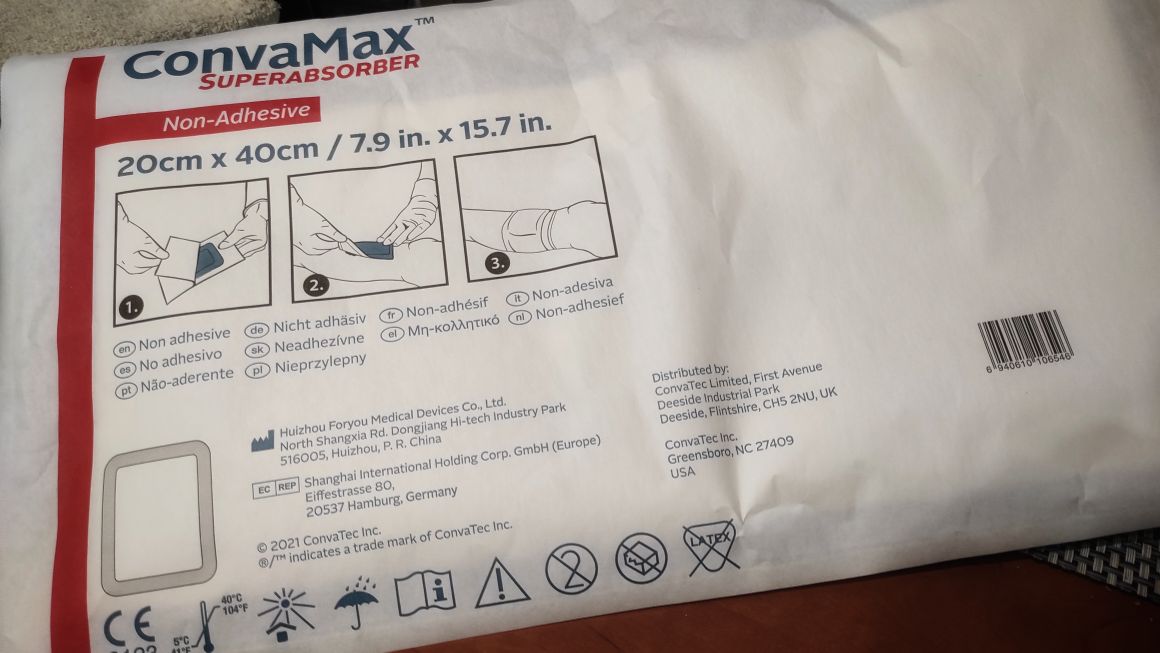
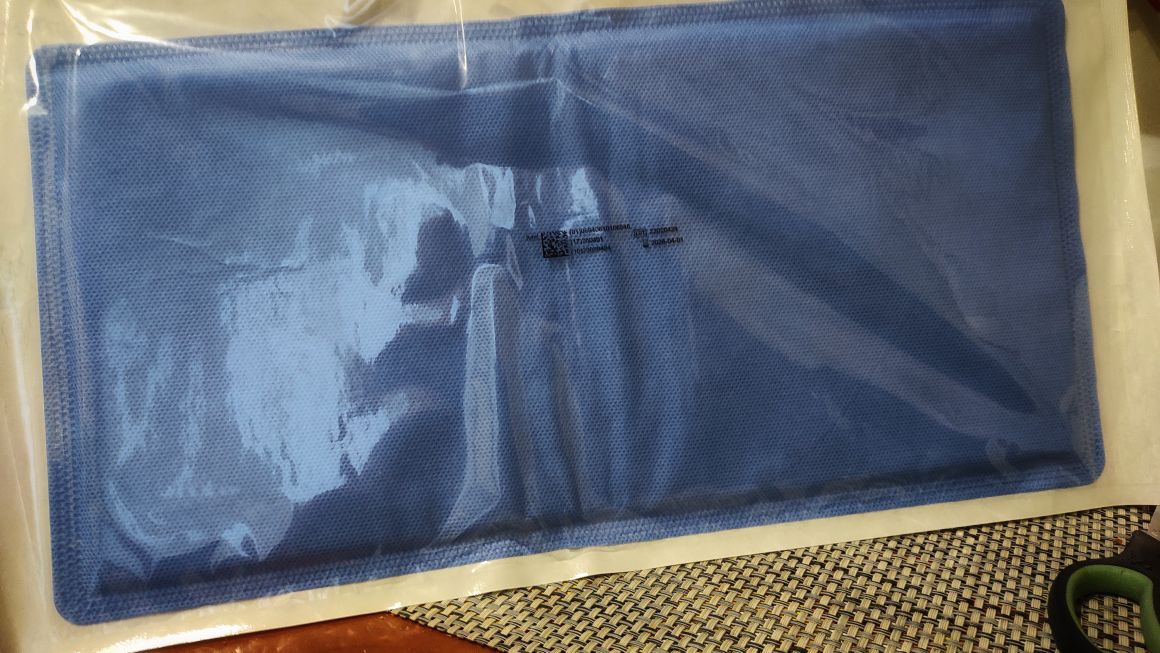
z racji wycieku limfy z otwartej rany, muszę korzystać z wysokochłonnych opatrunków, które pochłaniają płyn limfatyczny i pozwalają choć w minimalnym stopniu funkcjonować normalnie (poruszać się z opatrunkiem bez zostawiania kałuż za sobą...). rekomendacją w moim przypadku (ze strony mojej doktor, specjalistki od trudno gojących się ran) są opatrunki ConvaMax Superabsorber (na zdjęciach powyżej), które bardzo dobrze spełniają swoją rolę, ale niestety ich cena jest po prostu faszystowska.

jeden opatrunek ConvaMax 20x40cm kosztuje w aptekach 90-100PLN, refundowany: 27PLN. w moim wypadku na jeden opatrunek potrzebuję dwóch takich ConvaMaxów. zmieniam opatrunek dwa razy dziennie, zatem dziennie wykorzystywałbym 4 sztuki (120PLN)...

opatrunki te są produkowane, rzecz oczywista, w Chinach i być może materiał absorbujący ciecze z mokrych ran jest wysokiej jakości, ale w codziennej “praktyce opatrunkowej” widzę, że 4-5krotnie tańsze opatrunki wysokochłonne (jak np. te widoczne na zdjęciu w poprzednim wpisie) spełniają swoją rolę niemal w tym samym stopniu, co ta drożyzna.

oczywiście nie będę używał ConvaMaxów; kupiłem jeden na próbę i powiem, że są one o 10-15% bardziej chłonne, aniżeli standardowe opatrunki tego typu. 120PLN dziennie za kawałek chłonnego materiału, to pieprzona aberracja korporacji produkujących materiały opatrunkowe. jest to stała praktyka w zaklętym kole: producent → hurtownik → apteka. omijanie szerokim łukiem tej ostatniej jest jedynym sposobem na relatywnie “tanie” pozyskanie opatrunków. przykład: plastry antybakteryjne Bactigras (10 sztuk w paczce, 20x15cm) kosztują na Allegro ok. 50-60PLN, podczas gdy w aptece ten sam plaster kosztuje 70PLN, tyle że płacimy za 10 sztuk plastra 10x10cm (sic!)...

pozostaję przy dotychczasowych opatrunkach AB Kompres i Viwazell. są mniej chłonne, ale znacząco tańsze i spełniają swoją rolę w 70-80%.

 
Czytaj dalej...

from moje leczenie

:: nowy etap leczenia

tak, jak planowałem wcześniej, rozpocząłem nowy etap w leczeniu nogi. również dzięki Wszej pomocy, za co serdecznie wszystkim dziękuję! jestem pod opieką doktor specjalizującej się w leczeniu trudno gojących się ran z wyciekiem płynu limfatycznego, w jednym z centrów medycznych w Krakowie. leczę się prywatnie, albowiem nie mam jakichkolwiek szans na leczenie od zaraz w ramach NFZ – jak można się domyślać, kolejki do specjalistów są kilometrowe, a terminy z kosmosu...

moje leczenie obecnie poleca z grubsza na stosowaniu opatrunków kompresyjnych, które lecząc ranę, jednocześnie uciskają obszar obrzęku limfatycznego w celu “zmuszenia go” do wchłaniania się i w efekcie do jego zaniku. wtedy uporam się z permanentnym wyciekiem limfy, co stanowi – obok bólu samej rany – główny problem w moim zdrowieniu.

obecnie stosuję zastępcze opatrunki chłonne (na zdjęciu powyżej), gromadząc środki na opatrunki zalecane przez lekarza. są to: Zetuvit Plus lub Convamax Superabsorbent. to bardzo wydajne, wysokochłonne opatrunki na rany mokre, z takim wyciekiem jak w moim przypadku. niestety są one drogie i maksymalnie mobilizuję się, aby pozyskać środki na ich zakup. jednocześnie, bezpośrednio na ranę, każdorazowo stosuję plastry antybakteryjne Bactigras gwarantujące utrzymanie gojącej się rany w czystości. mam nieco ograniczoną możliwość stosowania podobnych plastrów, z uwagi na fakt, że wystąpiła u mnie reakcja alergiczna na preparaty i plastry ze srebrem w składzie... dodatkowo, każdy opatrunek, to środki odkażające ranę (jak np. Microdacyn – na zdjęciu powyżej), bandaże elastyczne, gazy jałowe.

jeżeli jesteście w stanie pomóc mi w zdrowieniu, będę Wam wszystkim kolosalnie wdzięczny! w linku poniżej znajdują się wszelkie informacje.

z góry wszystkim bardzo dziękuję!

jak możesz mi pomóc?

 
Czytaj dalej...